| |
| |
Unforgivable
Blackness
The Rise And
Fall Of Jack Johnson
|
|
| |
In the spring of 1910,
Halley's comet returned to the heavens after an
absence of seventy-five years. Some believed it a sign
from God that the world was about to end. Nearly
everyone saw it as a momentous event, and during the
week of May 18, when astronomers predicted the earth
would pass through the comet's tail, adults and sleepy
children all over the country stumbled out of their
homes at night to see if they could get a glimpse of
it.
On the Lower East Side of New York, thousands of tenement
dwellers, mostly immigrants and their families, filled
the streets to peer up at the cloudy skies, while on
the roof of the Waldorf-Astoria hotel uptown, Speaker
of the House Joseph G. Cannon led two hundred tuxedoed
guests attending the annual dinner of the National
Association of Manufacturers in a champagne toast to
the comet's passing. In Memphis, Tennessee, separate
all-night revivals were held for white and black
believers awaiting Judgement Day. In Chicago, panicked
householders blocked their doors and windows against
deadly gases they believed the comet would release.
And early one morning, at the fashionable Seal Rock House on
Ocean Beach at San Francisco's western edge, guests
and staff members alike gathered on the sand beneath
the stars, listening to the rhythm of the surf and
waiting to chart the comet's brilliant course above
the sea.
But the hotel's most celebrated guest--the most celebrated
black man on earth--remained in bed in his suite on
the second floor. A member of his entourage had
slipped up the stairs a few minutes earlier and tried
to rouse him, but the heavyweight champion of the
world had ordered him out of the room. He saw no need
to get up. Over the coming centuries there would be
hundreds of comets, he said. "But there ain't gonna be
but one Jack Johnson."
Like a good many of his claims, this one was both outrageous
and entirely accurate. He had, after all, battered his
way from obscurity to the top of the heavyweight ranks
and won the greatest prize in American sports--a prize
that had always been the private preserve of white
combatants. At a time when whites ran everything in
America, he took orders from no one and resolved to
live always as if color did not exist. While most
Negroes struggled merely to survive, he reveled in his
riches and his fame. And at a time when the mere
suspicion that a black man had flirted with a white
woman could cost him his life, he insisted on sleeping
with whomever he pleased. Most whites (and some
Negroes as well) saw him as a perpetual
threat--profligate, arrogant, amoral, a dark menace,
and a danger to the natural order of things.
The real Jack Johnson was both more and less than those who
loved or those who hated him ever knew. He embodied
American individualism in its purest form; nothing--no
law or custom, no person white or black, male or
female--could keep him for long from whatever he
wanted. He was in the great American tradition of
self-invented men, too, and no one admired his
handiwork more than he did. All his life, whites and
blacks alike would ask him, "Just who do you think you
are?" The answer, of course, was always "Jack
Johnson"--and that would prove to be more than enough
for turn-of-the-twentieth-century America to handle. |
|
| |
Geoffrey C. Ward
|
|
|
|
|
|
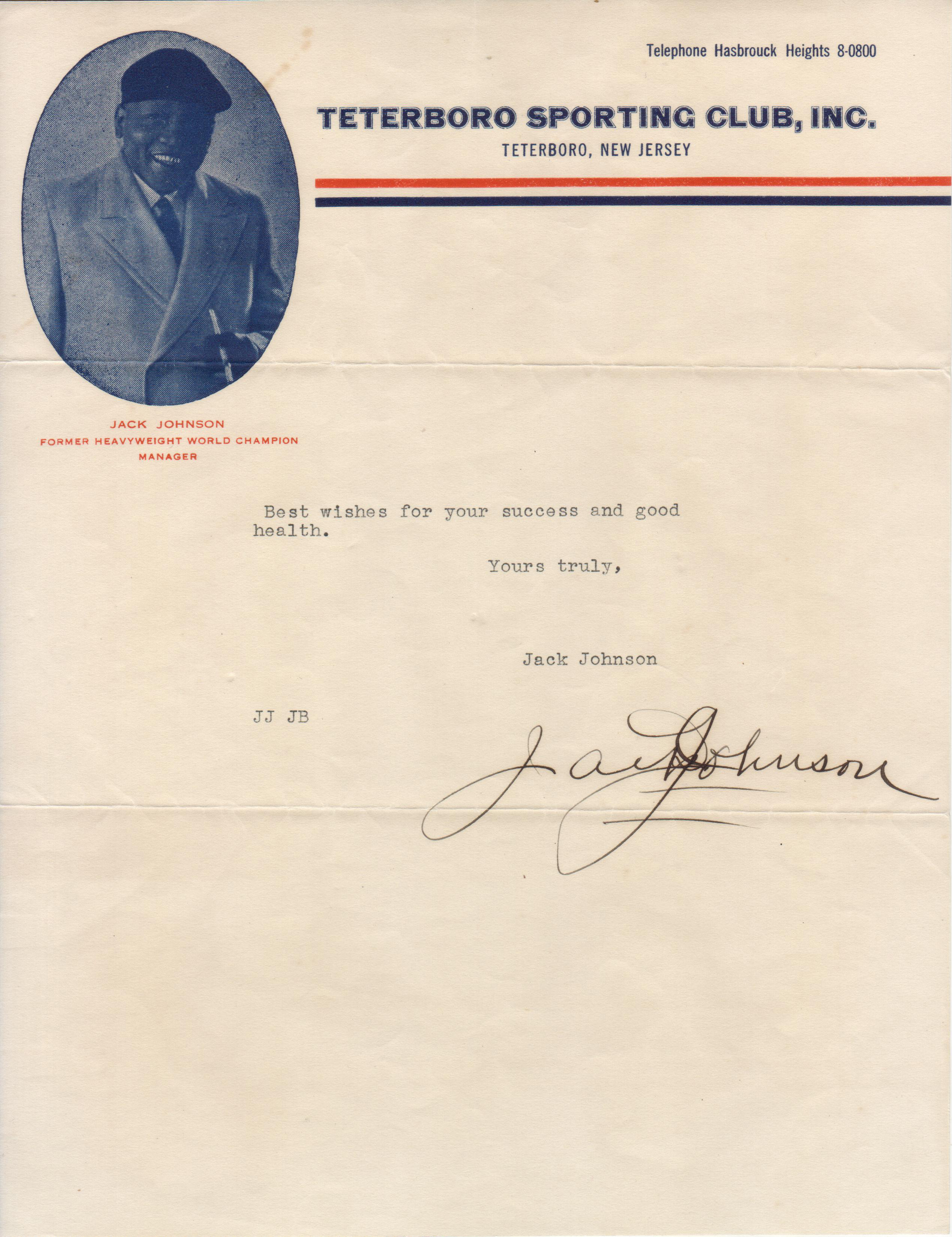
.JPG)